Damp Proofing a Victorian Property in Brighton, Sussex – Solving Rising & Penetrating Damp
At Kennedy Damp Proofing, every successful damp proofing project begins the same way – with a comprehensive damp survey and a detailed quotation. Our recent project in Brighton, Sussex, is a great example of why correctly diagnosing the source of damp is essential before carrying out any remedial work.
The Initial Survey
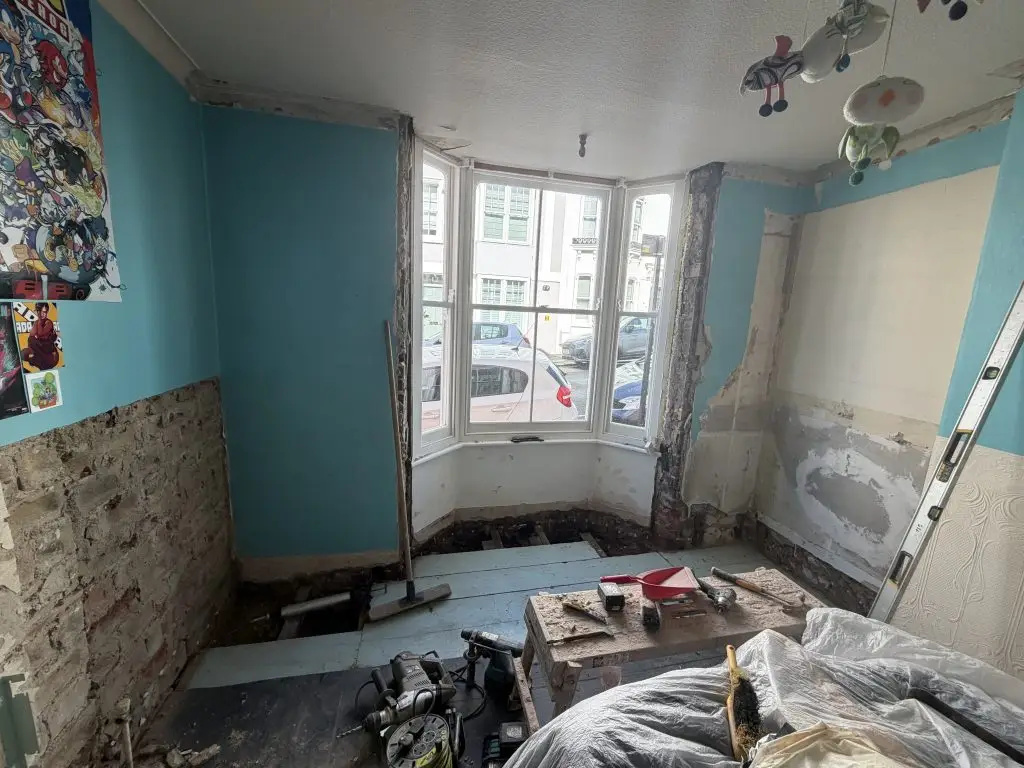
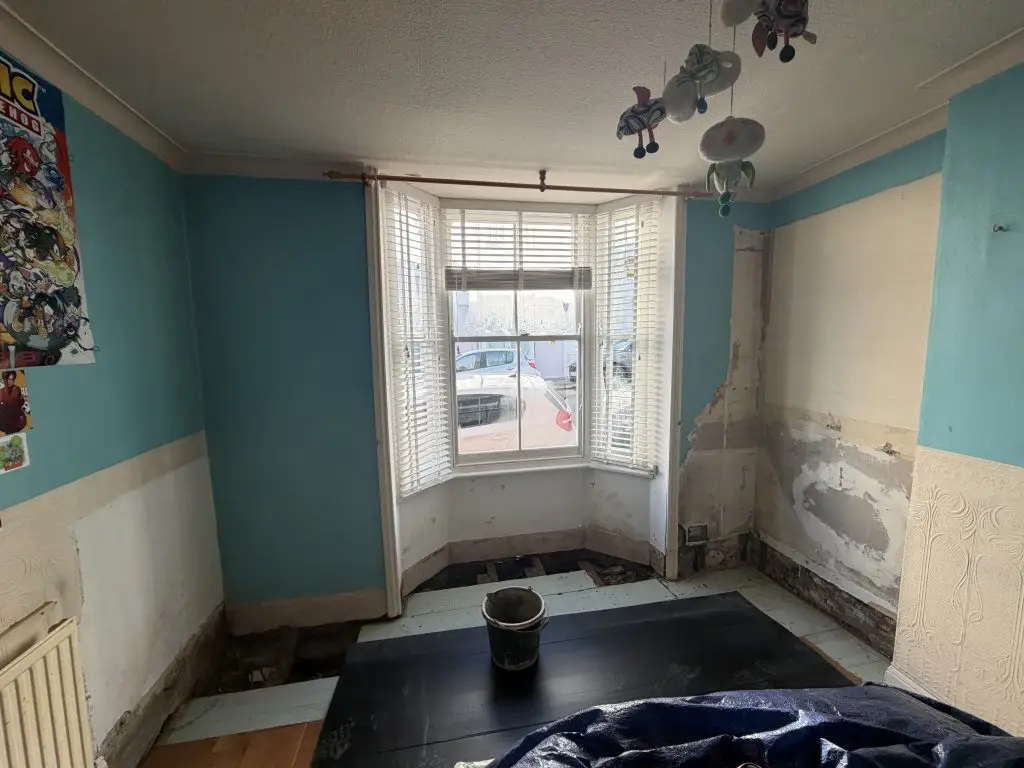
The homeowner contacted us after noticing damp patches, peeling plaster and signs of moisture in their ground floor bedroom. During our survey, we identified both rising damp and penetrating damp affecting the external wall. Moisture had also tracked across the adjoining partition walls, causing further internal damage.
Rather than simply treating the visible symptoms, we carried out a thorough investigation to determine exactly why the damp was occurring.
What Was Causing the Damp?
Like many homes throughout Brighton, this Victorian property had several factors contributing to the damp problem.
1. Cracked External Render
The first issue was cracked external render, which was allowing rainwater to penetrate the building. Victorian properties in Brighton are commonly built using solid wall construction, meaning there is no cavity wall to prevent moisture travelling internally.
When these homes were originally constructed, they relied on lime-based materials that allowed the walls to breathe naturally. Moisture entering the wall could evaporate harmlessly through the breathable lime render and mortar.
However, at some point in the property’s history, the original lime render had been replaced with a modern cement-based render. Unlike lime, cement is not breathable, meaning any moisture entering through cracks became trapped within the wall, eventually leading to penetrating damp internally.
Normally, we would recommend removing the cement render and replacing it with a breathable lime render. However, this property was constructed using bungaroosh, a traditional Brighton building material made from flint, brick fragments, chalk and lime mortar. Due to the age and fragile condition of the bungaroosh, removing the existing render risked causing significant structural damage. Instead, we repaired and reinforced the existing render to prevent further water ingress while protecting the historic construction.
2. Poor Subfloor Ventilation
The second issue was beneath the floor.
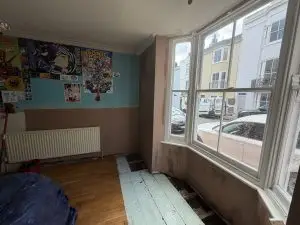
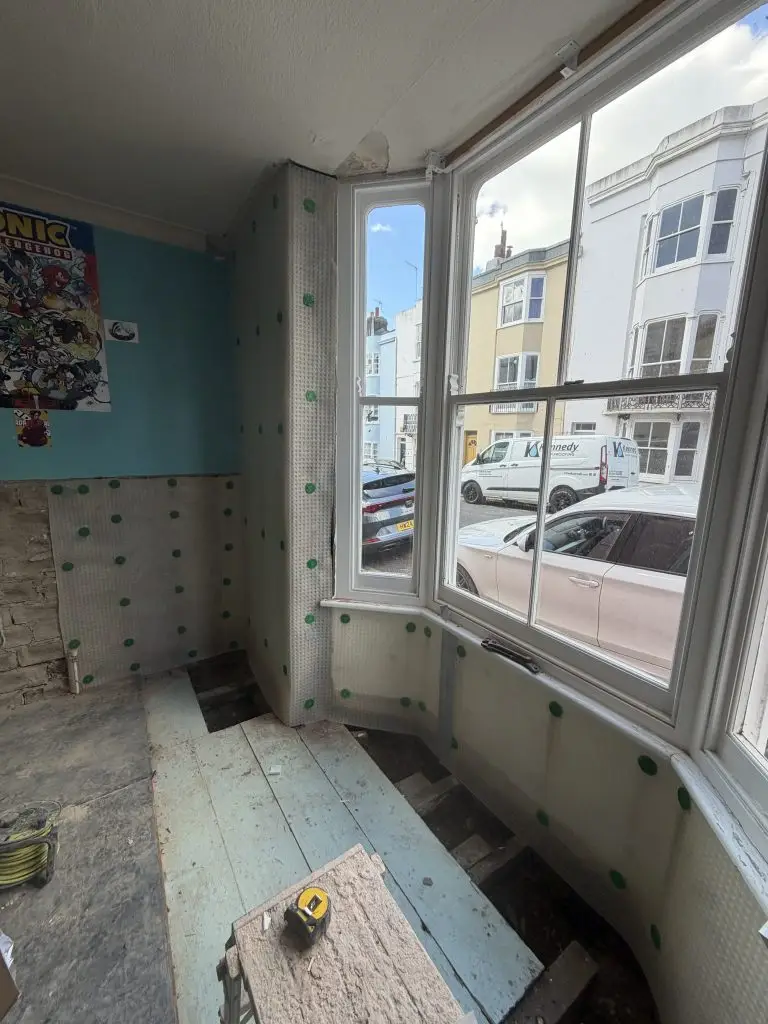
After lifting the floorboards, we found the subfloor heavily contaminated with soil and debris, severely restricting airflow. We also discovered that one of the air bricks had been blocked with an old rag, preventing any ventilation beneath the suspended timber floor.
The lack of airflow had created the perfect environment for excess moisture, resulting in timber decay and attracting woodworm.
3. No Effective Damp Proof Course
Like many Victorian properties, the house had either no damp proof course or one that was no longer functioning effectively.
These older buildings were never designed to rely on chemical damp proof courses. Instead, they depended on breathable construction materials and adequate subfloor ventilation to manage moisture naturally. Once these systems are compromised, rising damp can become a significant issue.
The Remedial Works
Following our survey, we carried out a complete programme of remedial works to eliminate the causes of damp rather than simply covering them up.
Subfloor Repairs
We lifted the floorboards and removed the accumulated soil and debris from beneath the property, restoring the required airflow throughout the subfloor.
The blocked air brick was replaced, allowing proper cross ventilation once again. As a precaution, we also treated the affected timbers with a professional woodworm treatment to protect them from further infestation.
External Render Repairs
Externally, all cracks within the render were ground out to approximately 100mm (4 inches) wide to ensure a solid repair.
The prepared areas received a 4:1 sand and cement scratch coat with reinforcing mesh embedded into the repair. This reinforcement helps minimise the risk of future cracking while providing additional strength. Once cured, a finishing coat of render was applied and carefully blended to match the existing finish as closely as possible.
Damp Proofing System
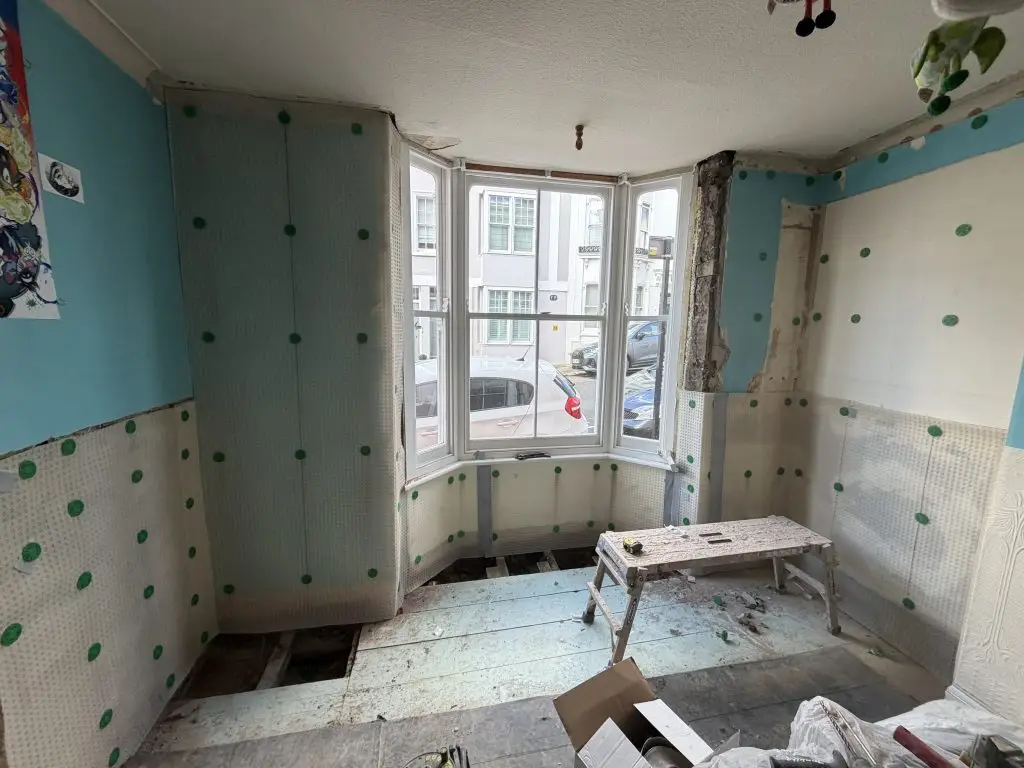
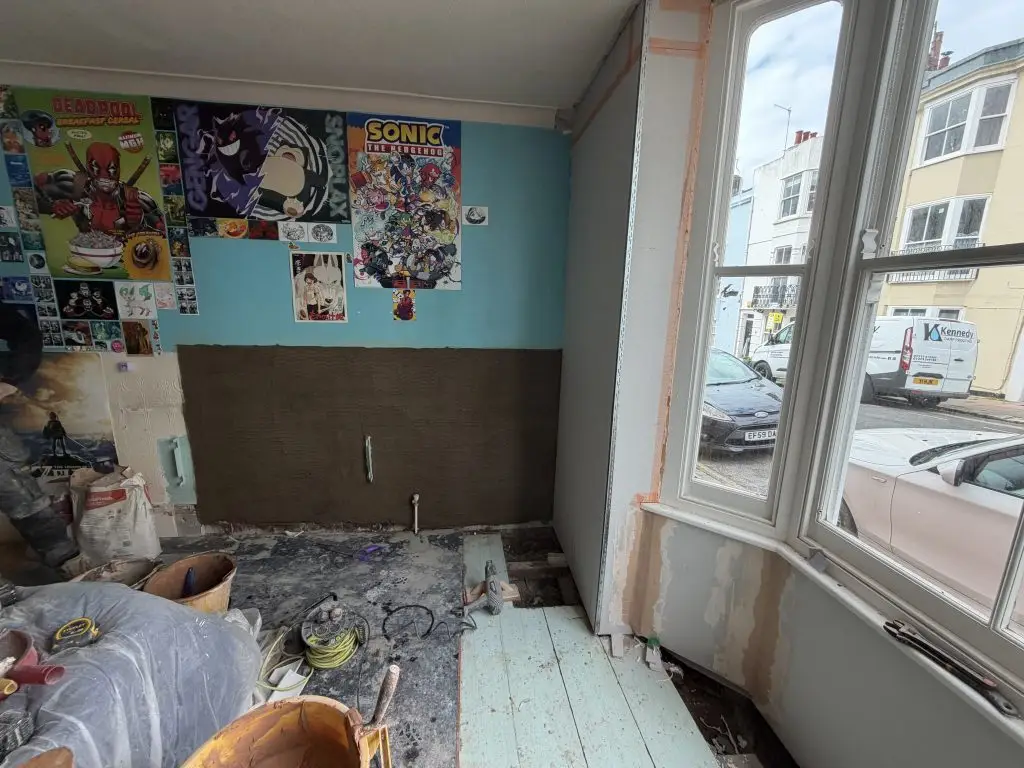
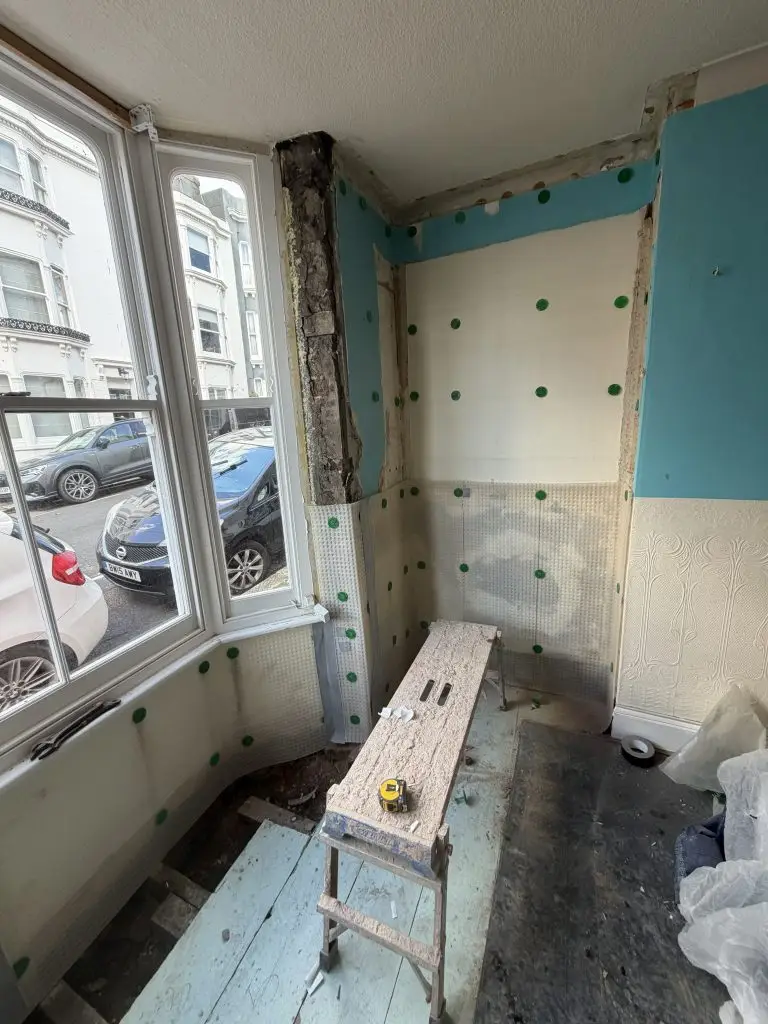
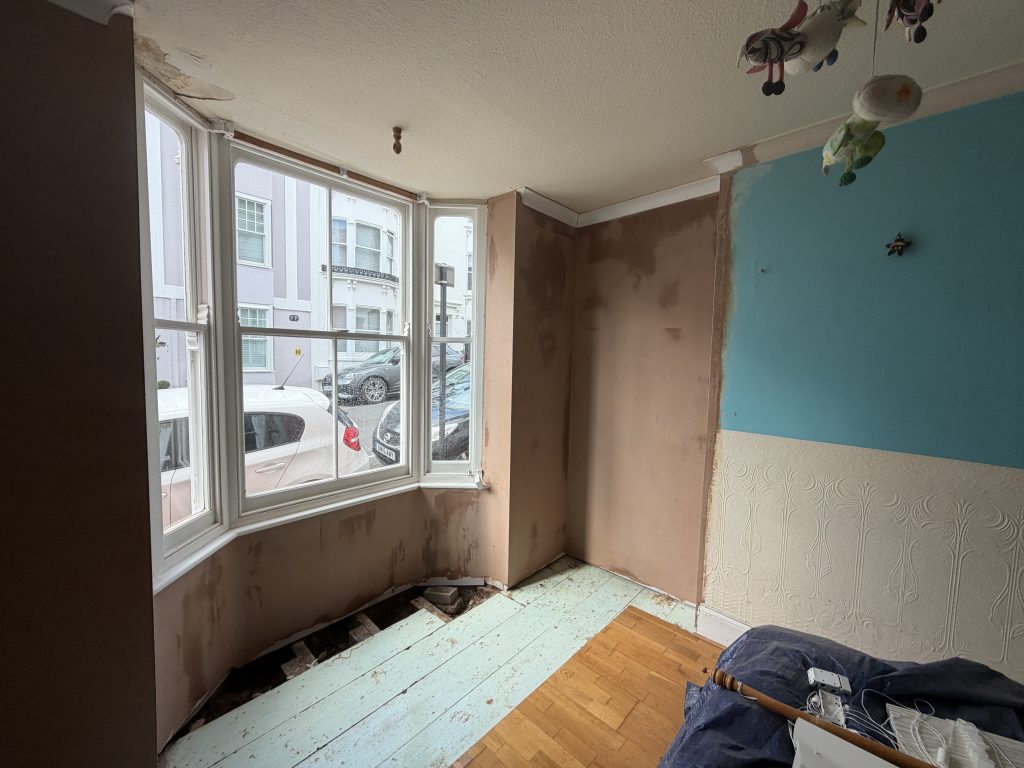
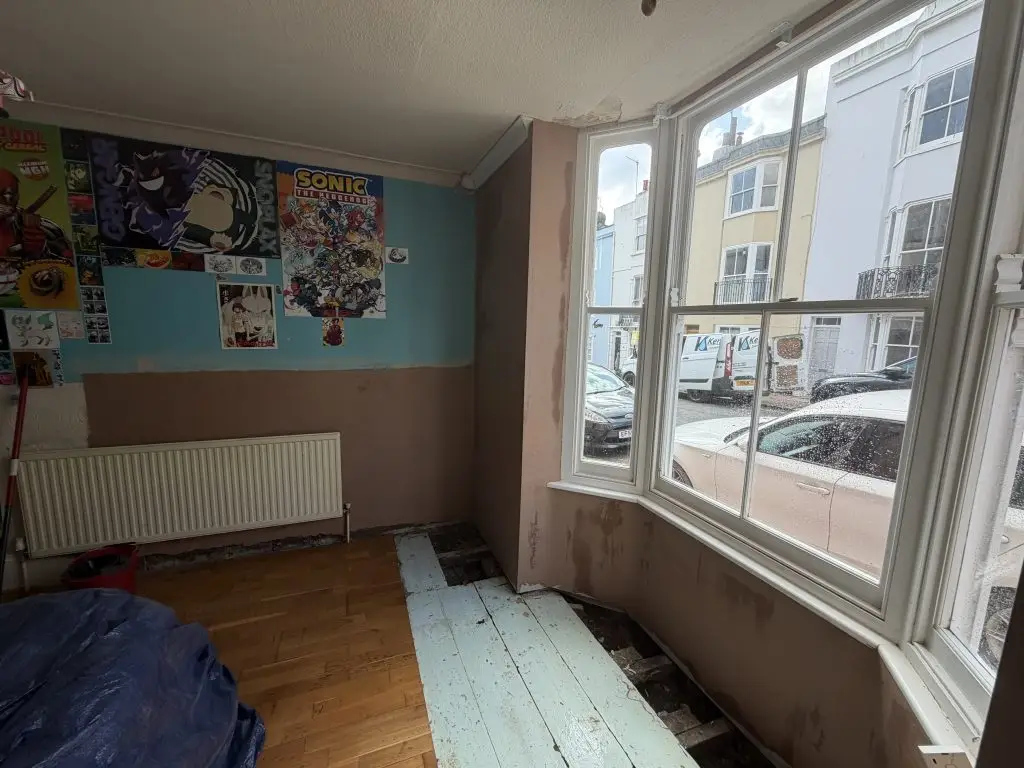
Internally, we installed a chemical damp proof course to stop rising moisture travelling up through the masonry.
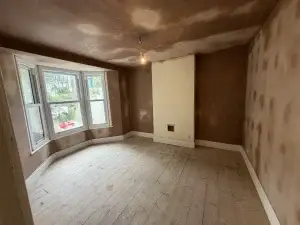
We then applied a 3mm damp proof membrane system across the affected walls, providing a permanent barrier against any residual moisture remaining within the masonry. The walls were then finished with plasterboard and a two-coat plaster finish, creating a clean, dry surface ready for decoration.
The client, who is a skilled cabinet maker, chose to install the new skirting boards himself after we had completed the damp proofing works.
The Finished Result
By addressing every source of moisture, we were able to provide a long-term solution rather than a temporary repair.
Our work successfully:
- Eliminated further penetrating damp by repairing and reinforcing the external render.
- Restored ventilation beneath the suspended timber floor.
- Reduced the risk of future timber decay and woodworm.
- Installed an effective damp proof course to stop rising damp.
- Protected the internal walls with a damp proof membrane system.
- Left the property with clean, dry walls ready for decoration.
Most importantly, the homeowner was delighted with the finished result and now has confidence that their Victorian Brighton property is protected against future damp problems.
Need a Damp Survey in Brighton or Sussex?
If you’ve noticed damp patches, mould, peeling plaster or musty smells in your property, it’s important to identify the true cause before carrying out repairs.
At Kennedy Damp Proofing, we provide professional damp surveys throughout Brighton, Sussex and the surrounding areas, diagnosing rising damp, penetrating damp, condensation, timber decay and woodworm before recommending the most appropriate long-term solution.
Every successful repair starts with an accurate diagnosis—and that’s exactly what we pride ourselves on delivering.