
Professional waterproofing solutions for basements, cellars and other below-ground spaces affected by damp or water ingress.
We’ll assess how moisture is entering the structure and recommend a system designed around the property, the level of water pressure and how you intend to use the space.
Local Jobs Completed
Years of Combined Industry Experience
Guarantee
Basements and cellars are particularly vulnerable to damp because part or all of the structure sits below the surrounding ground level.
Moisture can enter through porous masonry, defective joints, cracks, drainage problems or the pressure created by groundwater outside the building.
Before recommending a waterproofing system, we assess the construction, condition and intended use of the space. This allows us to specify an appropriate solution rather than simply covering the visible damage.
Choose a convenient time and we’ll arrange your property survey
We inspect the issue, identify the cause and explain our finding.
You’ll receive a clear report with recommendations and a fixed quote
We carry out the work to the highest standard with a 20 year guarantee.
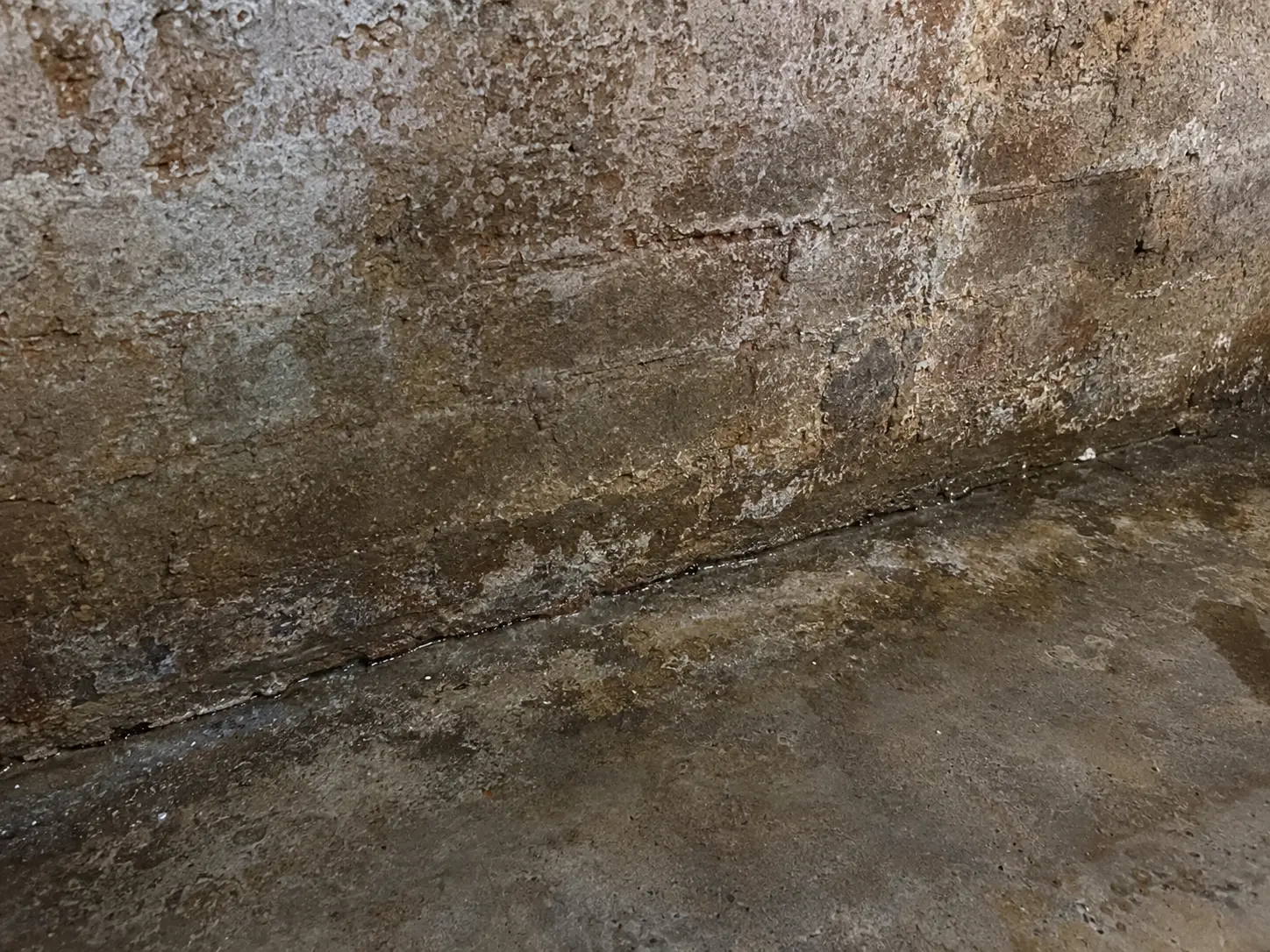
Below-ground walls are exposed to moisture held within the surrounding soil. After prolonged or heavy rainfall, this water can create pressure against the structure and force its way through masonry, cracks and construction joints.
This is sometimes most noticeable where the walls meet the floor.
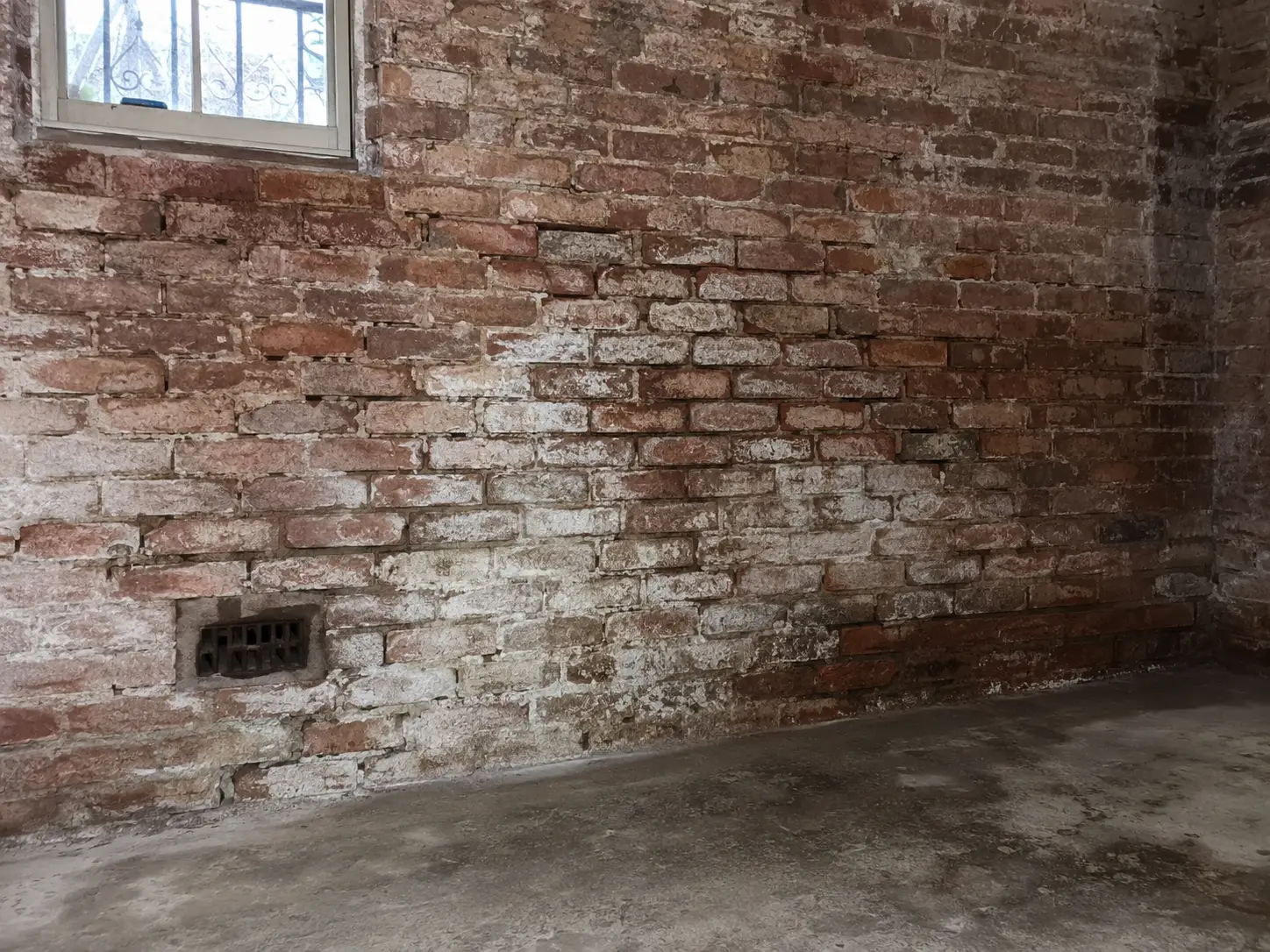
Older brick, stone and mortar can become porous or deteriorate over time. Failed pointing, cracks, previous alterations and unsuitable finishes may create additional pathways through which moisture can enter.

Inadequate drainage, blocked channels and vulnerable wall-to-floor junctions can allow water to collect inside the basement.
External ground levels, leaking pipework and defective rainwater systems may also contribute to the problem.

No two basements experience water in exactly the same way. The correct solution depends on the structure, ground conditions, level of water pressure and how the basement will be used.
We begin with a detailed survey of the walls, floors, junctions and visible points of water entry. Where a drained system may be appropriate, we will also consider drainage routes, pump requirements, access and future maintenance.
The correct solution will depend on the type of damp, the construction of the property and the condition of the affected materials.
Cementitious tanking creates a waterproof barrier directly against prepared masonry walls and floors. Multiple coats of specialist waterproof material are applied to create a continuous barrier against moisture. Careful preparation and treatment of joints, cracks and penetrations are essential to the performance of the system.
A cavity-drain system uses studded membranes installed across the basement walls and, where required, the floor. Rather than attempting to hold water back, the system provides a controlled cavity through which moisture can move towards a drainage channel or sump. Internal finishes can then be installed in front of the membrane.
Drainage channels can be installed around the perimeter of the basement to collect water entering behind a cavity-drain membrane. The water is then directed towards a suitable discharge point or sump-pump chamber. Access points may be included so that the channels can be inspected and maintained.
Where water cannot drain naturally, a sump chamber and pump may be installed to collect and remove it from the basement. Depending on the property and level of risk, the system may include a secondary pump, alarm or backup power arrangement. Pump-based systems require ongoing inspection and servicing.
Basement water can enter through floors as well as walls. The specified system may therefore need to continue across the floor and connect with the wall waterproofing. Particular attention is paid to joints, service penetrations and other potentially vulnerable areas.
Waterproofing protects the basement from moisture entering through the structure, but ventilation may still be required to manage humidity and condensation. We can advise on suitable ventilation and moisture-control measures as part of the overall basement specification.