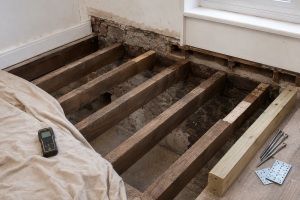
In Sussex, where historic architecture meets modern construction, dampness remains a silent yet persistent intruder. Many homes, especially those built decades ago, were not designed for the shifting weather patterns we experience today — prolonged humidity, unexpected rainfall, and mild winters that trap moisture deep within walls.
While most homeowners see damp proofing as a standard repair job, the reality is that it has evolved into a science — one that adapts with both building materials and environmental shifts.
At Kennedy Damp Proofing, we’ve seen firsthand how Sussex’s microclimates play a unique role in moisture behavior. Coastal towns like Brighton and Worthing face constant exposure to saline air, while inland areas such as Horsham and Lewes often struggle with groundwater rise and condensation issues due to poor ventilation. Our approach isn’t limited to sealing a wall or injecting a chemical barrier — it’s about understanding how every element of a property breathes.
The New Frontier: Smart Damp Detection
Traditional damp proof treatments rely on surface-level inspection — a patch here, a coat there. But with new sensor-based technology, we can now monitor humidity and moisture movement behind plaster and beneath flooring. These smart detection systems don’t just identify damp; they predict it.
For homeowners in Sussex, this means prevention rather than constant repair — a crucial shift as properties age and weather becomes more unpredictable.
The Hidden Role of Building Ecology
What many overlook is the ecological balance within a building. A structure that’s too airtight can trap humidity, while excessive ventilation can lead to heat loss. Damp proofing today involves maintaining this equilibrium. We often tell homeowners that the goal isn’t to create a “dry box,” but a “breathing home.” It’s a balance that requires precision — using breathable renders, eco-friendly chemical barriers, and improved air flow design.
Kennedy Damp Proofing has integrated this ecological thinking into every treatment plan. Instead of using one-size-fits-all injections, we assess the mineral makeup of masonry, evaluate groundwater pressure, and even consider local flora that may affect exterior damp levels. The approach mirrors the precision of environmental engineering — not just construction repair.
The Forgotten Factor: Human Behavior
Interestingly, the rise in indoor damp problems isn’t always caused by external moisture. It’s often driven by lifestyle changes — longer showers, frequent laundry drying indoors, and reduced heating cycles. In densely built Sussex neighborhoods, where older buildings are retrofitted with modern amenities, condensation from daily life accumulates faster than walls can breathe. This human factor is now a central consideration in damp proofing strategies.
We educate homeowners on micro-behavioral adjustments: proper ventilation routines, humidity monitoring, and maintaining a consistent room temperature. It’s not just about installing barriers; it’s about creating awareness of how everyday actions influence moisture balance.
Preserving the Heritage, Protecting the Future
Sussex’s historic homes are architectural gems, but also damp magnets. Lime plaster, sandstone, and timber framing all absorb and release moisture differently. The challenge is to protect these materials without compromising their character. That’s why Kennedy Damp Proofing employs a “heritage-sensitive” methodology — using traditional materials treated with modern preservation science. It allows us to safeguard centuries-old craftsmanship while ensuring homes remain structurally sound and healthy to live in.
Looking Ahead
The future of damp proof treatment in Sussex will be driven by data, sustainability, and regional climate adaptation. The new generation of damp proofing isn’t just reactive — it’s predictive and eco-conscious. For homeowners, that means fewer costly surprises and greater long-term protection. For us, it’s a commitment to making damp treatment as much about intelligence as it is about intervention.
As Sussex continues to evolve, so too must the methods that protect its homes. Damp proofing is no longer a hidden fix — it’s a visible part of responsible, future-ready home care.